

Process automation through Business Process Management (BPM) platforms continues to evolve rapidly thanks to technological advances. By integrating modern tools, these solutions are transforming the way companies design, execute and optimise their processes. In 2025, companies will need to watch several key trends to maximise their productivity: RPA gradually being replaced by AI in automation, or the massive arrival of low-code/no-code platforms. Here is a complete overview of the developments not to be missed.
1. Intelligent workflows for smooth operations
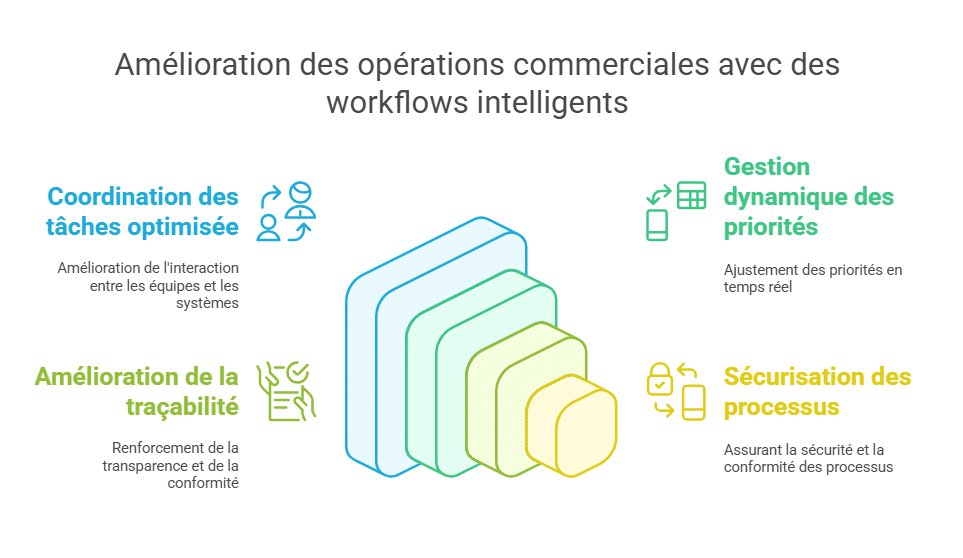
Workflows, those automated sequences that orchestrate the different stages of business processes, are becoming smarter thanks to emerging technologies. In 2025, companies will adopt AI- and machine-learning-based workflows to:
- Optimise task coordination between employees and automated systems.
- React in real time to changes thanks to dynamic priority management.
- Improve traceability to meet compliance and transparency requirements.
These intelligent workflows allow companies to gain agility while reducing human error.
2. Process automation: towards maximum efficiency
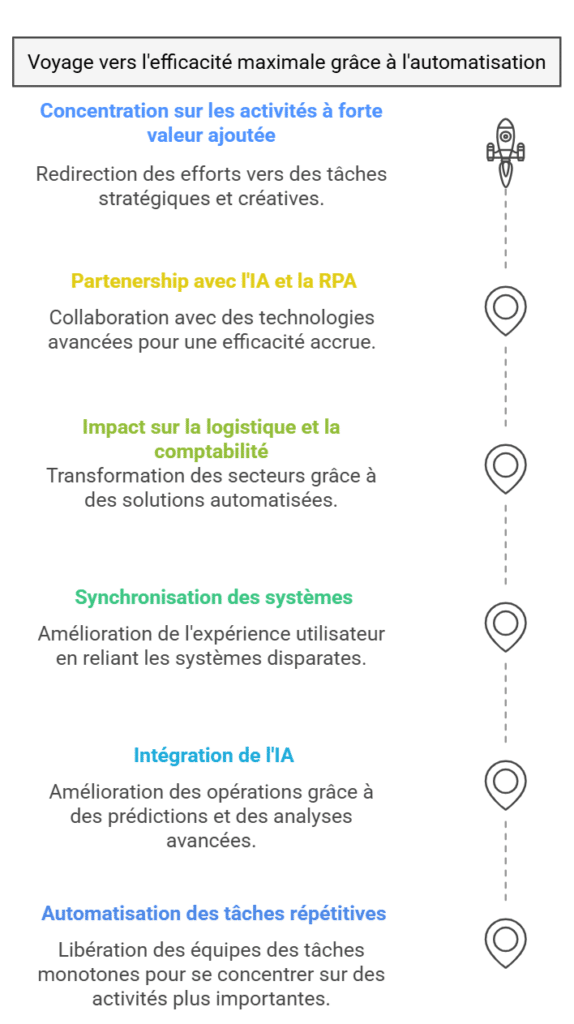
Process automation is the main engine of modern BPM. By eliminating repetitive, time-consuming tasks, automation frees teams to focus on high-value activities. Key innovations include:
- Robotic process automation (RPA) to handle tasks such as data processing, accounting reconciliations or inventory management.
- The integration of AI and advanced algorithms in addition to RPA, to predict operational needs.
- Synchronisation of systems to avoid silos and improve the user experience.
In 2025, this automation will be combined with real-time monitoring tools to ensure continuous supervision and instant adjustment of processes.
3. The rise of low-code and no-code platforms
For some time now, low-code and no-code platforms have been revolutionising the way business processes are designed and managed. These tools democratise BPM, and the user experience, by making it accessible to everyone, even without programming skills.
As a reminder:
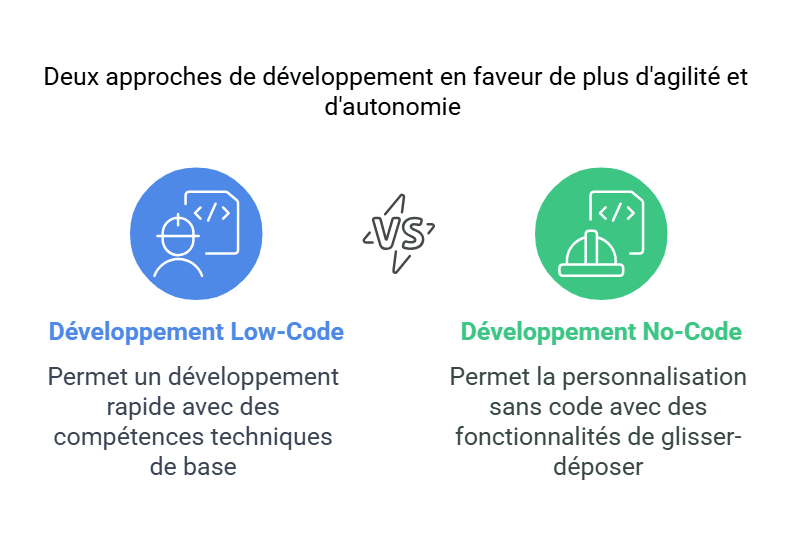
• “Low-code” allows users with technical basics to design processes quickly thanks to intuitive graphical interfaces.
• “No-code” is aimed at non-technical users; these platforms make it possible to create and customise workflows with drag-and-drop functions.
The benefits of using this type of platform are many and include:
• Fast implementation of solutions, reducing development time.
• Greater flexibility, making adjustments easier according to the company’s needs.
• Optimised collaboration, by involving business teams in process design.
In 2025, companies using these tools will benefit from greater agility in the face of market changes, since they free them from a great deal of technological complexity by sidestepping technical development issues.
4. Case Management at the heart of concerns
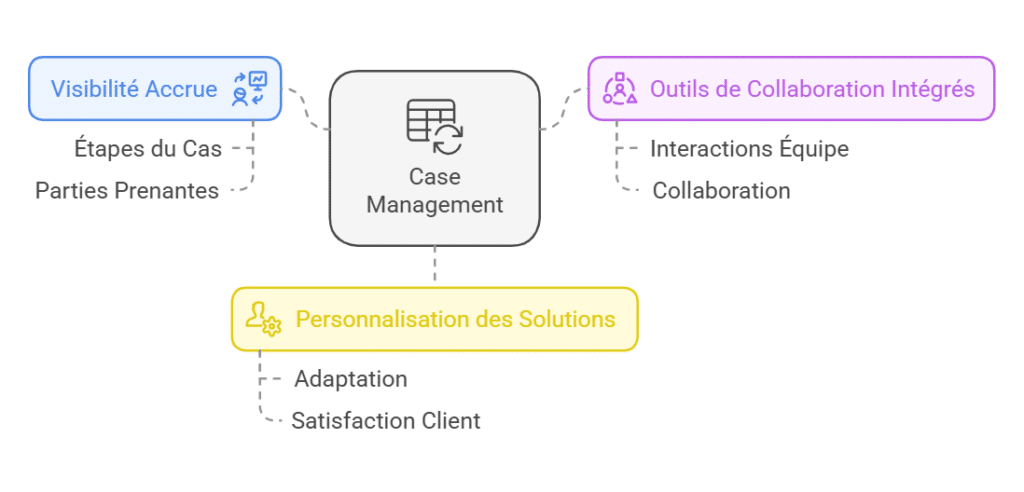
Unlike linear workflows, Case Management focuses on managing unstructured or semi-structured processes, often linked to exceptions or complex scenarios. These cases require a flexible, user-centred approach. Modern case management solutions will provide:
- Greater visibility across all steps and stakeholders involved in a case.
- Integrated collaboration tools to facilitate interactions between teams.
- Customisation of solutions to meet customers’ specific needs.
Thanks to these tools, companies will be able to solve complex problems faster while improving customer satisfaction.
5. Productivity multiplied through standardisation and dematerialisation
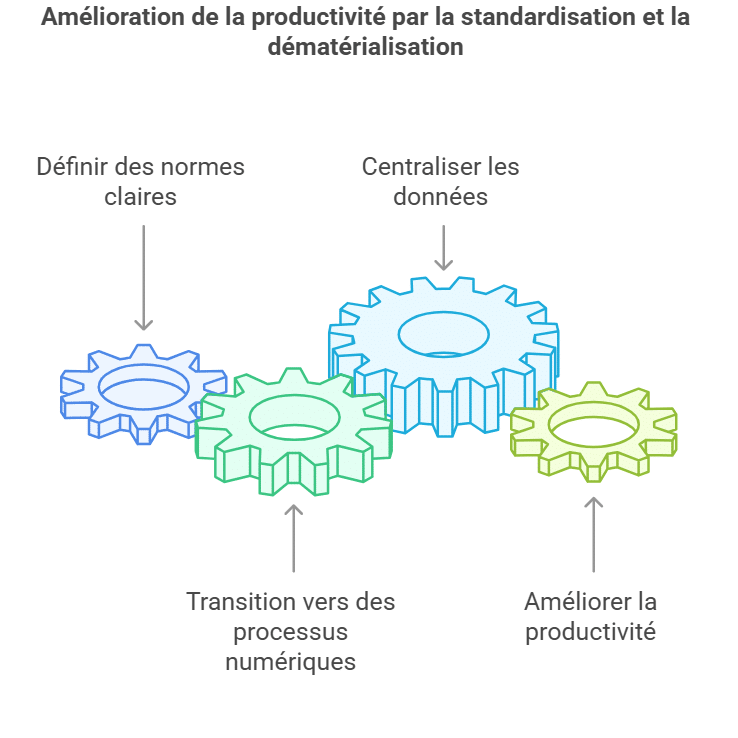
Process standardisation, combined with document dematerialisation, is essential to improve productivity. In 2025, companies will focus on:
- Defining clear standards for their processes to ensure uniform execution, whatever the department or region.
- Transitioning to 100% digital processes, eliminating paper and reducing processing times.
- Centralising data to make it easier to access and use.
By standardising and dematerialising their operations, organisations will improve their speed of execution while reducing costs.
6. BPM solutions increasingly focused on collaboration and interoperability
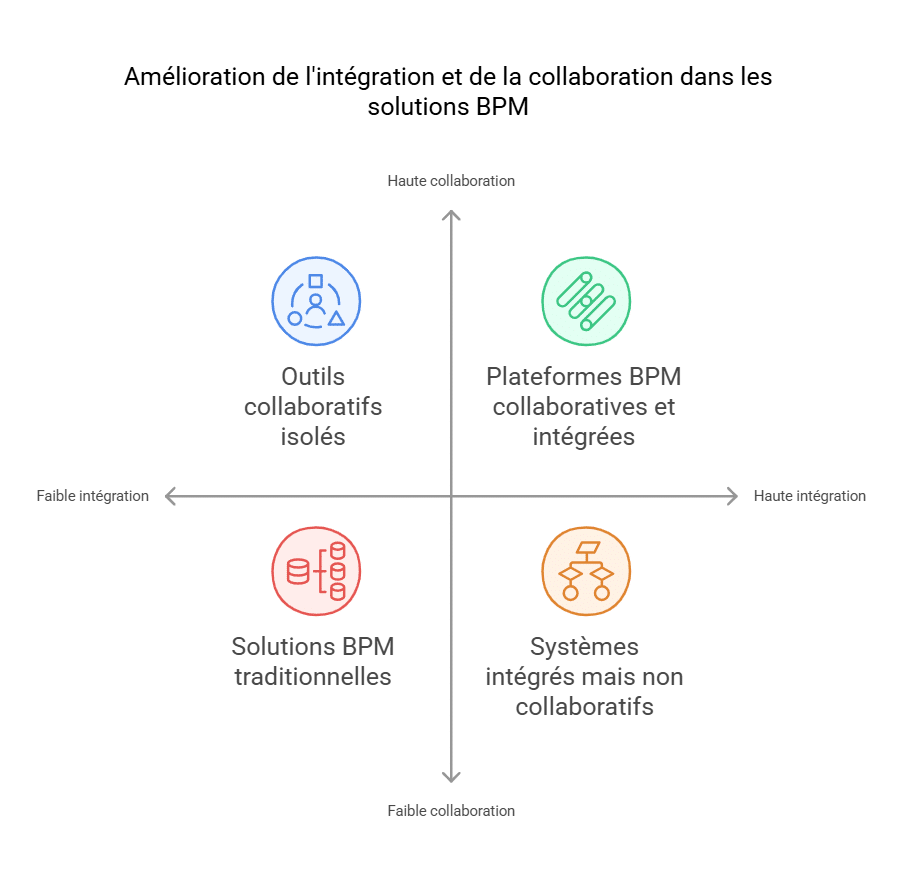
Modern companies can no longer operate in silos. In 2025, BPM will need to integrate seamlessly with other information systems, notably ERP, CRM and collaboration tools. The benefits of this interoperability include:
- Smooth communication between departments, speeding up decision-making.
- A global view of business processes, essential to identify bottlenecks.
- The ability to quickly adapt processes as the market evolves.
BPM platforms will also offer intuitive interfaces and collaborative features to maximise teams’ contribution.
7. A stronger approach to sustainability and security
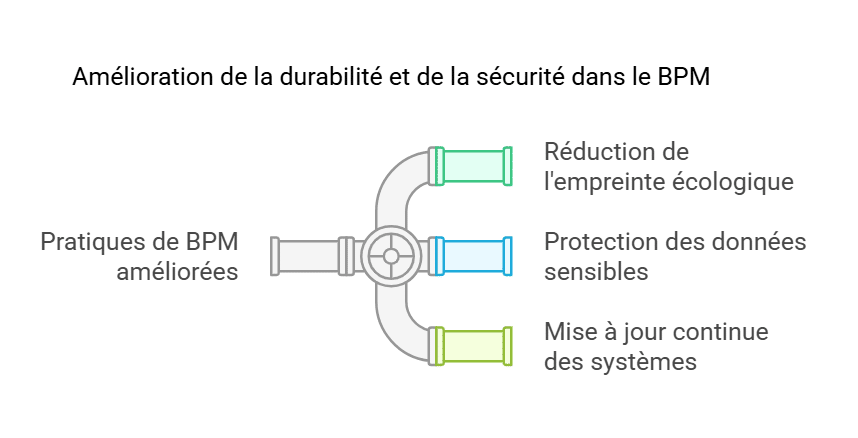
As environmental concerns and cyber threats grow, BPM is adapting in 2025 to integrate sustainable and secure practices. This includes:
- Digital processes reducing the ecological footprint, such as zero paper.
- Secure solutions protecting sensitive data and complying with regulations (GDPR, HIPAA, etc.).
- Continuous system updates to prevent vulnerabilities.
These practices allow companies to meet stakeholders’ expectations while minimising risks.
Conclusion: preparing for an efficiency-driven future
The future of BPM rests on intelligent automation, optimised management of workflows and cases, and dematerialisation. By integrating these trends, companies will be able to standardise their processes, improve their productivity and ensure flawless execution.
Is your organisation ready to meet the challenges of automation in 2025? Don’t wait any longer to discover our Low Code / No Code process automation solution: BUSINESS SUITE